Programming tools for decentralised intelligence and swarms
26 - 27 November,
2025
Bedford Hotel
Brussels, Belgium
The event is organised by TaRDIS, OASEES, P2CODE, SmartEdge, and OpenSwarm projects funded by the European Commission under the HORIZON-CL4-2022-DATA-01-03 call.
Overview
Swarm Intelligence Projects, of the HORIZON-CL4-2022-DATA-01-03 cluster, address emerging challenges in decentralised intelligence and swarm-based systems for dynamic, edge-capable IoT environments. They focus on novel abstraction models, cyber-physical systems (CPS), and next-generation IoT, leveraging advanced communication paradigms, lightweight AI/ML, and neuromorphic computing.
The aim is to enable IoT nodes to self-organize, adapt to changing environments, scale efficiently, and ensure system resilience. These technologies support swarm applications by embedding AI/ML, facilitating collaboration among devices, and transforming sectors like smart energy, mobility, agriculture, health, automotive, and smart cities.
Swarm computing is key in a computing continuum, ensuring efficient, secure data management—especially relevant for trends like the Metaverse. Processing data closer to the source reduces latency, improves privacy, and cuts energy, storage, and communication costs.
Europe’s growing swarm computing community is vital for achieving digital sovereignty and building an open, inclusive digital society. Collaboration across diverse research and innovation communities is essential to avoid fragmentation and realize this vision.
Audience
The 2-day open event will gather private and public organisations as well as individuals active in the European swarms community, that are also actively engaged in several related research domains, such as artificial intelligence, ICT security and connectivity, or working on topics acting in those domains, such as interoperability, open source and ICT standardisation.
General contact
For inquiries: [email protected]
The attendance will be free of charge; however, it will be subject to availability.

Learn from and exchange know-how with the major EU funded initiatives and projects on data and computing technologies.

Showcase and promote your work within the broader European R&I context for further adoption, exploitation and impact of your project’s outcomes.

Establish liaisons and contacts within the swarms and IoT community to identify common interests and foster synergies and collaborations.

Learn about industrial best practices/use cases across several industrial sectors where European organisations are playing a significant role.

Learn about policy/funding plans priorities and help refining the plans to deliver the European Strategy for data grounding the Digital Decade vision.
Take stock on the progress of swarm technologies across sectors like energy, mobility, industries, logistics.
09:00-17:15 | Central European Time (CET)
09:00 – 09:30
Welcome and opening remarks
Welcome by the European Commission:
Rolf Riemenschneider, Head of Sector IoT, European Commission
09:30 – 10:45
Swarm Concept
The word “swarm” has many meanings, each equally valid. In this session each of the 5 projects will introduce their definition of “swarm” to show the varied work that is carried out. The projects will set the scene for the scientific perspective that they have taken to present.
Swarm Concept and Enabling Technologies: Trustworthy Swarm Data and Decision Making via DAOs
Project: OASEES
Presenter: George Agapiou, NCSRD, Greece
This presentation focuses on the Swarm concept at the heart of OASEES and the key technologies that enable it. It highlights how decentralized decision-making is achieved through Distributed Autonomous Organizations (DAOs), smart contracts, and secure identity frameworks. By combining federated learning, blockchain-based governance, and trusted data exchange, OASEES ensures that Swarm-based systems can operate transparently, securely, and autonomously across edge and cloud infrastructures.
Between Low-Power Wireless and Robot Swarms
Project: OpenSwarm
Presenter: Filip Maksimovic, Inria, France
The ambition of the Horizon Europe OpenSwarm project is to trigger the next revolution in these data-driven systems by developing true collaborative and distributed smart nodes, through groundbreaking R&I in three technological pillars: efficient networking and management of smart nodes, collaborative energy-aware Artificial Intelligence (AI), and energy-aware swarm programming. This talk will give our definition of “swarms”, at the intersection between networking and robotics, and introduce the OpenSwarm project, focusing on its scientific pillars, the validation on the testbeds, and introducing five use cases of the outcome of innovation.
Swarm Intelligence – Autonomous Collaboration at the Edge
Project: P2CODE
Presenter: Nikos Psaromanolakis, UBITECH
The Horizon Europe P2CODE project empowers the development of decentralized swarm applications through a secure, open, and standardized orchestration platform. P2CODE provides the technological foundation that enables swarms to emerge and operate autonomously across multi-domain IoT–Edge–Cloud continuum. By integrating trust and attestation mechanisms, federated orchestration, and standardized APIs, the platform abstracts infrastructure complexity and supports zero-touch deployment and lifecycle management, addressing the full stack from development environments to real-world execution. The presentation introduces P2CODE’s scientific pillars (trust, security, interoperability, and adaptive resource and service orchestration), and showcases how these capabilities are validated through real-world use cases ranging from smart factory logistics to public safety.
Anatomy of a Swarm
Project: SmartEdge
Presenter: David Bowden, Dell Technologies, Ireland
This session will delve into the fascinating world of swarms, beginning with a brief examination of their taxonomy and the specific types implemented within the SmartEdge project. We will then transition to a discussion of the significant components that constitute these swarms, exploring their individual functions and the intricate ways they interact to give rise to emergent swarm behavior.
Engineering Decentralised Swarm Systems the TaRDIS Way
Project: TaRDIS
Presenter: Carla Ferreira, NOVA University Lisbon, Portugal
The Horizon Europe TaRDIS project enables the next generation of intelligent, decentralised swarm systems by advancing three key pillars: innovative programming models for heterogeneous swarms, advanced software verification and validation techniques, and integrated toolchains for secure and efficient development. TaRDIS demonstrates its impact through four industrial use cases spanning satellite swarms, decentralised energy marketplaces, privacy-preserving machine learning, and intelligent factory control.
10:45 – 11:15
Coffee Break & Demo Session
11:15 – 12:30
Architectures per Sector
The purpose of this session is to introduce the different sectors the projects have contributed to, showing the wide variety of use cases for swarms. The various sectors that will be covered under this topic are: Industrial, Mobility, Health, Energy and Security applications.
Industrial: Programming Swarms for Smart Factories: From Edge Intelligence to Interoperable Toolchains
Projects: SmartEdge, OpenSwarm, TaRDIS
Presenter: Danh Le Phuoc, Technical University Berlin, Germany
Modern factories are becoming more flexible and connected, requiring production systems that can adapt and collaborate without relying on central control. This talk explores how three EU projects — SmartEdge, TaRDIS, and OpenSwarm — are developing programming tools to make swarms of robots and smart devices easier to build, coordinate, and scale. We show how edge-level data fusion creates a shared understanding of the shop floor, how low-code recipes and semantic descriptions aligned with IEEE/W3C/ESTI standards allow devices to discover and combine their capabilities on demand, and how event-driven and energy-aware programming models ensure resilient and efficient operation. Real-world use cases — such as autonomous mobile robots (AMRs) coordinating material flows and smart-factory digitalisation — illustrate the benefits of decentralised intelligence for productivity and flexibility. The talk concludes with a roadmap for bringing these research results into practical factory deployments through open standards and interoperable toolchains.
Mobility
Projects: SmartEdge, P2CODE, OpenSwarm, TaRDIS
Presenter: Fabian Graf received the master’s degree in electrical engineering from the Technical University of Munich (TUM), Munich
One of the main distinguishing features of swarm intelligence from established prior work is the mobility of systems and swarm elements. Four different projects address this challenge, including the swams of satellites use-case in TaRDIS, the logistics and supply chain in P2CODE, the Smart City work in SmartEdge, and the train monitoring proof-of-concept in OpenSwarm. The TaRDIS Satellite Swarm use case demonstrates innovative solutions to enhance the autonomy and robustness of Low Earth Orbit satellite mega-constellations for next-generation Positioning, Navigation and Timing (PNT) services. Moving beyond the traditional centralized ground-based approach, it explores fully distributed Orbit Determination and Time Synchronization (ODTS) algorithms, key to maintaining PNT functionality under extreme or degraded conditions leveraging satellite’s edge computing capabilities. The Vehicle-to-Infrastructure use case in the SmartEdge project demonstrates how vehicles and roadside units collaboratively share sensing data and compute resources using swarm intelligence. Within the SmartEdge project, we addressed interoperability through semantic integration, enabled coordination through swarm-networking technologies, and employed low-code tooling for efficient data fusion and orchestration. In the final demo, this cooperative swarm improved safety at an operational intersection by dynamically adjusting signal timings and providing indicative guidance to approaching drivers. The OpenSwarm Mobility PoC demonstrates a SmartMesh-based sensor network for trains, enabling decentralized intelligence and robust connectivity. It addresses three main use cases: Fleet Awareness (tracking wagon composition and position), Infrastructure Monitoring (detecting track irregularities and enabling predictive maintenance), and Safety Redundancy (providing a landside communication to cloud interlocking for enhanced safety).
Health
Projects: OASEES, SmartEdge
Presenter: Christian Bolzmacher, CEA France
In the framework of the OASEES project, the CEA, in cooperation with the IHB, will exhibit an innovative smart edge-connected sensor connected to the OASEES platform. This sensor serves as the foundation for an interactive and intelligent wearable device designed for the acoustic analysis of voice in patients with Parkinson’s Disease (PD).
Energy
Projects: TaRDIS, OpenSwarm, OASEES
Presenter: Carla Ferreira, NOVA University Lisbon
TaRDIS coordinates edge–fog–cloud control to optimise EV charging and balance local supply and demand. Federated reinforcement learning with a shared coordination layer improves short-term forecasts and device orchestration from home to grid. It boosts efficiency and resilience, maximises local renewables, and cuts losses and CO2.
Environmental and Infrastructure Monitoring
Projects: P2CODE, OASEES, TaRDIS, OpenSwarm
In the framework of the OASEES project, the CEA, in cooperation with the IHB, will exhibit an innovative smart edge-connected sensor connected to the OASEES platform. This sensor serves as the foundation for an interactive and intelligent wearable device designed for the acoustic analysis of voice in patients with Parkinson’s Disease (PD).
12:30 – 14:15
Lunch Break & Demo Session
14:15 – 15:15
Success Stories
Session Chair:
Lina Giannakandropoulou, Ioannis (John) Avramidis, Uni Systems, Luxembourg, P2CODE coordinators
The purpose of this session is to celebrate the achievements of all projects by putting a spotlight on three types of success stories.
Scientific success stories
Presenter: Roderich Gross, Univ. Sheffield/TU Darmstadt
This session is a celebration of the scientific success stories of the different swarm projects. We will feature three types of scientific achievements. First, we will look at important scientific publications of different projects in the areas of distributed processing, networking, artificial intelligence, and programming of swarms. We will then highlight some of the awards received by the research team. Finally, we will be putting a spotlight on the most successful implementation and deployment. This session will serve both to honor the work of the different teams and inspire upcoming generations of researchers in the area of swarms.
Impact success stories
Presenter: Amrita Prasad, Partnership and Community Expert, Martel Innovate
Impact can take many forms, sometimes it’s achieved through groundbreaking research, but just as often it comes from setting standards, contributing to open-source projects, advancing education, shaping policy as well as the overall outreach. In this session, we’ll explore real-world success stories that highlight the diverse ways individuals and teams create meaningful contribution. Join us to discover how different paths intersect to create lasting impact.
Exploitation success stories
Presenter: Charis Papatsarouchas, Adrestia
Innovation transforms research ideas into market-ready solutions—but successful exploitation is what bridges that gap. This session showcases how research projects can act as catalysts for innovation by turning scientific and technical outputs into real-world products and services. We’ll highlight inspiring examples of projects with clear commercial potential and celebrate the creation of startup companies born from research excellence. Join us to learn how ideas move from the lab to the marketplace and what it takes to make that journey a success.
15:15 – 15:45
Coffee Break & Demo Session
15:45 – 16:45
Distribution of Processing, Latency, Energy Efficiency
In this session we look at the benefits of distributed processing harnessed by swarm-based architectures and systems, in terms of latency and energy efficiency. The presentations focus on the swarm-based enablers and the capabilities that they bring at edge environments, and which can reduce latency and increase energy efficiency in various aspects.
Coordinating a Swarm of 1,000 Robots
Project: OpenSwarm
Presenter: Geovane Fedrecheski (Inria, France)
Large-scale robot swarms are key to advancing distributed autonomous systems for disaster response, exploration, and transport. However, prototyping is hindered by tedious tasks like charging and firmware updates. The OpenSwarm Testbed addresses this by supporting experimentation with up to 1,000 DotBots – low-cost, fast (1 m/s), extensible robots with indoor localization and rapid charging. A novel network enables full swarm control and monitoring from a single workstation, including fail-safes and remote reprogramming. By streamlining swarm development, OpenSwarm empowers researchers to accelerate progress in swarm robotics.
Orchestrating Edge AI Workloads Across Cloud and Edge
Project: OASEES
Presenter: Abhinaba Chakraborty (ID Lab – Ugent – imec, Belgium)
Deploying and managing AI inference workloads at the network edge poses challenges—heterogeneous hardware, limited compute and power budgets, and the need for seamless scalability. The presentation addresses these by providing a programmable, blockchain-backed orchestration layer that enables concurrent vision inference and co-deployment across edge devices and cloud resources. Edge AI accelerators such as NVIDIA Jetson Orin Nano, and the DIANA chip are supported via TensorRT, and other toolchains. A DAO-inspired control plane uses smart contracts to manage deployment policies, firmware updates, and fail-safe recovery across hundreds of edge nodes.
Babel: A framework for developing performant and dependable distributed protocols
Project: TaRDIS
Presenter: Nuno Preguiça (NOVA University Lisbon, Portugal)
Prototyping large-scale, decentralized distributed systems, such as swarms of heterogeneous devices in dynamic environments, is complex and time-consuming due to low-level concerns (communication, timeouts, concurrency) and inherent challenges (dynamic membership, security). This hinders research prototyping, design comparison, and innovation. This presentation introduces Babel, a framework for developing and executing distributed protocols and systems. Babel simplifies implementation through an event-driven model, hiding low-level complexities while supporting different networks and providing security mechanisms. It runs on PCs, small devices, and Android devices. It provides several reusable protocol implementations for building scalable decentralized systems, helping researchers and practitioners focus on core algorithmic challenges.
16:45 – 17:45
Artificial Intelligence and Machine Learning
In this session we focus on the use of AI and ML enablers in a swarm computing environment, from different angles and approaches. These include, but not limited to, federated learning in swarm-based architectures, execution of AI workloads in resource-constrained devices, use of edge acceleration for enhanced ML processing, harnessing the swarm aspect for AI. Last but not least, this session discusses the role of Generative AI and its potential contributions, risks, challenges it can bring in the swarm realm.
Flexible and Efficient Feature-level Fusion with Wireless Acoustic Sensors using Graph Attention Networks
Project: OpenSwarm
Presenter: Wei Wei, University of Antwerp
Wireless Acoustic Sensor Networks (WASNs) use multiple sensors to capture audio data over large areas, but face challenges like unstable connections and high energy usage. Prior work favors decision-level fusion for its low data needs and flexibility. This work introduces a novel feature-level fusion framework using Graph Attention Networks (GATs), enabling dynamic sensor input and reduced communication via a message condensation layer. Experiments on domestic activity classification show it outperforms decision-level fusion in accuracy while matching its communication efficiency. It also surpasses prior feature-level methods with lower data transfer, adaptability to sensor changes, and robustness to sensor failure.
Privacy-Preserving Federated Learning | (FLEdge) Federated Learning at the Edge
Projects: OASEES and TaRDIS
Presenter: George Alexandridis, NKUA
Federated Learning (FL) at the edge in decentralized environments enables collaborative model training across multiple edge devices without requiring the transfer of raw data to a central server. This approach enhances data privacy and security by keeping sensitive information local, which is particularly important in domains like healthcare, autonomous vehicles, and smart cities. Each edge device trains the model using its local data and only shares model updates—such as gradients or weights—with a coordinating server or peer nodes. These updates are then aggregated to refine the global model.
AI-empowered Swarm Solutions for Smart Health
Project: SmartEdge
Presenter: Davide Calvaresi, HES-SO University of Applied Sciences and Arts Western Switzerland
The SmartEdge project demonstrates how AI-empowered swarms of autonomous edge nodes can transform multiple domains, including automotive, manufacturing, and digital rehabilitation, through dynamic coordination, semantic interoperability, and real-time intelligence.
After 17:45
Informal Networking
09:00-13:15 | Central European Time (CET)
09:00 – 10:00
Interoperability, Standardization, Open Source
Standardization is often perceived as an administrative activity with limited technological impact. In this session, we break this stereotype by going over the standardization activities done in the context of the projects.
Building Decentralized, GAIA-X Aligned, Swarm-Driven Data Services
Project: OASEES
Presenter: Enrique Areizaga, TECNALIA, Spain
This presentation explores the OASEES architectural blueprint that enables decentralized, intelligent edge ecosystems through Swarm computing. Emphasizing full alignment with GAIA-X principles data sovereignty spec, OASEES introduces a modular framework for deploying self-governed, interoperable data services. It highlights how Swarm-based Pilots were co-developed to produce Data Products and generate exploitable assets through their data.
Extending and developing open standards for Secure IoT-Edge-Core Orchestration: The P2CODE way
Project: P2CODE
Presenter: Nikos Psaromanolakis, UBITECH
Standardization through active engagement with ETSI, TM Forum, AIOTI, and BDVA, focusing on trust frameworks, cloud-native orchestration, and open service APIs, has been a major part of P2CODE activities. The project’s approach provides a practical input on secure identity, resource attestation, and IoT-edge coordination, contributing to the adoption of standards that enable interoperable, vendor-neutral, and scalable edge-to-cloud systems essential for European digital sovereignty.
Impact and Standardization of SmartEdge Swarm Solutions
Project: SmartEdge
Presenter: Dave Raggett, ERCIM/W3C, UK
This talk outlines work on Swarm Computing, defined as decentralised, self-organised systems of simple agents working toward complex goals. A key focus is the Web of Things (WoT), utilizing machine-interpretable Thing Descriptions (TDs) based on RDF/JSON-LD for devices and Digital Twins to reduce development effort and facilitate high-level discovery. SmartEdge supports W3C specifications like WoT TD 2.0 and RDF 1.2 and utilizes Semantic Fusion (combining multi-sensor data into RDF scene graphs) to give swarms a common, up-to-date environmental model. Standardisation efforts include work with the W3C RDF Stream Processing Community Group , and the W3C Cognitive AI Community Group which focuses on Chunks & Rules, a cognitive model for swarm agents inspired by the human brain. SmartEdge is also involved in use cases across Smart Vehicle, Smart Factory, and Smart Healthcare, and explores the integration of Advanced AI for swarm supervision, alongside symbolic representations for reliable communication.
10:00 – 11:00
Cybersecurity and Robustness
This session presents the different cybersecurity enablers, tools and methodologies developed and integrated within the EU swarm ecosystem, and their role in addressing different emerging security and sovereignty risks and challenges. How swarms can enhance data privacy, fortify highly distributed systems and build open and robust tools to put EU in the front sheet of the global data economy.
Standardization Activities of the Horizon Europe OpenSwarm Project
Project: OpenSwarm
Presenter: Mališa Vučinić, Inria, France
This talk challenges the view of standardization as a purely administrative task by highlighting its technological impact within the Horizon Europe OpenSwarm project. It covers the IETF’s LAKE working group and its development of the EDHOC key establishment protocol for constrained environments. The talk also discusses zero-touch network joining, remote attestation, and how research and standardization drive interoperability, enhancing innovation and research outcomes.
Securing Edge Data with Attribute-Based Encryption (ABE)
Project: OASEES
Presenter: Xabier Barguilla, Researcher, Cybersecurity and DLT, Tecnalia
Medical treatments often require multiple professionals to access patient data. To protect privacy and comply with regulations like GDPR, access must be restricted to authorized actors. In remote monitoring of voice, articulation, and fluency disorders in Parkinson’s disease, data securitization is achieved in an IPFS environment using cryptographic techniques, including Ciphertext-Policy Attribute-Based Encryption (CP-ABE), before storage. This ensures that only professionals with specific attributes, such as speech therapists or researchers, can decrypt and retrieve the data. The approach guarantees end-to-end confidentiality and integrity, even over untrusted networks, by combining decentralized storage with attribute-based encryption controls, including automated key management tools.
Swarms for factory automation: design, composition, implementation, and verification
Project: TaRDIS
Presenter: Alceste Scalas (Technical University of Denmark, Denmark)
This talk introduces novel development techniques and tools that transform the design and implementation of swarm-based factory automation workflows. Our approach empowers engineers to design large, complex automation workflows by assembling composable and reusable building blocks safely and efficiently. We demonstrate how automated verification ensures that the implementation accurately realises the intended behaviour.
Securing Intelligence in Highly Distributed Systems
Project: P2CODE
Presenter: Samira Briongos, Senior Researcher, Security Group, NEC Laboratories Europe
P2CODE delivers a Security & Trust Layer designed to protect heterogeneous environments across the IoT-Edge-Cloud continuum. By integrating decentralized identity management with verifiable credentials, P2CODE ensures strong authentication and privacy-preserving access control among distributed swarm agents. Device and software attestation mechanisms continuously verify the integrity of hardware and containerized workloads, safeguarding compromised nodes in autonomous swarms. A data provenance framework provides traceability and accountability for sensitive data flows, supporting trust and sovereignty in multi-stakeholder environments. To reinforce resilience, P2CODE incorporates ML-based anomaly detection and attack mitigation modules that detect and counter emerging threats in real-time. Finally, its Zero-Trust Service Access Management fabric establishes encrypted, fine-grained, and programmable service-to-service interactions across swarm domains. Together, these enablers fortify highly distributed systems and advance robust, privacy-conscious swarm operations aligned with EU digital sovereignty goals.
11:00 – 11:30
Coffee Break & Demo Session
11:30 – 11:50
Presenter
Ignacio Lacalle Úbeda, Researcher at Universidad Politécnica de Valencia
11:50 – 12:50
Future Directions
Chair
George Agapiou, NCSRD, OASEES
The purpose of this session is to provide ideas on futuristic technologies that can benefit swarm computing the future.
Scaling Intelligence and Trust at the Edge
Project: SmartEdge
Presenter: Darko Anicic, Senior Key Expert, Siemens Technology
The SmartEdge project delivers swarm-based solutions through a low-code intelligence approach. Swarm nodes, connected via standardized interfaces and semantically described, are orchestrated using low-code Recipes to build intelligent applications. Our initial focus was on developing an LLM-powered assistant to identify devices with relevant skills for recipe creation. These capabilities enable precise definition of device skills and allow Generative AI to enhance orchestration of shopfloor devices. To ensure reliability, a Metaverse Toolchain supports virtual testing before seamless real-world deployment of Recipes. Looking ahead, swarm nodes will evolve into Physical AI nodes, and machines will transform into Agentic AI nodes. These nodes will form swarms capable of perceiving, reasoning, and orchestrating complex actions in the physical world. Generative AI will assist humans in designing virtual products, while Agentic machines powered by Physical AI will autonomously convert these designs into real-world executions—optimizing energy consumption, time efficiency, and aligning with sustainability principles.
Secure 3C Network and 6G Communications
Project: OASEES
Presenter: George Agapiou, Senior Project Manager, NCSR “Demokritos”
This presentation investigates the role of Connected Computing technologies and 6G networks in achieving the EU’s Digital Decade ambitions by fostering a unified infrastructure and technological sovereignty. It highlights the OASEES project’s open, decentralized frameworks that underpin innovation across healthcare, manufacturing, mobility and energy via pilots. It compares 6G to 5G to show 6G’s superior speeds, ultra-low latency, scalability and AI-driven sensing that support IoT swarms and services. Focusing on swarm applications like collaborative robotics, experiences and twins, presentation underscores the need for industry, academia, society and governments to collaborate on cybersecurity, resilience, energy efficiency, governance for secure, sustainable deployment.
Fully Autonomous Multi-Robot Systems
Project: OpenSwarm
Presenter: Prof. Danny Hughes, KU Leuven
Micro-Robotic Swarms taking actions autonomously.
12:50 – 13:15
Closing remarks
Demos as a fantastic means of showing exciting result in a hands-on an interactive way. There will be 4 demo sessions over the two days, for a total of close to 3h, so there is plenty of opportunity to engage with the presenters, interact with the demos, sparks new ideas, and create new engagements. The demos are grouped by project, each project having one booth.
OASEES Demo Booth
Sovereign Swarm: A GAIA-X Powered Framework for Trustworthy Edge Data Exchange
The demo will present an end-to-end scenario of a data product creation based on a Wind Turbine – acoustic analysis infrastructure via the OASEES framework, extending GAIA-X data exchange primitives. The demo will feature devices of acoustic analysis.
Lead: TEC, CAP
Forecasting Module for EV Swarm based Energy Provision
The demo will feature an EV Swarm energy provision showcase, using a forecasting module to optimize grid usage and EV fleet management. The scenario will showcase the whole lifecycle of the EV and Energy provider transactions and how swarm architecture can be leveraged for energy based scenarios.
Lead: DST
Parkinson Detection leveraging Swarm computing
The demo will showcase three interconnected devices that demonstrate the exercises to be performed by a Parkinson patient, using a secure data exchange via the OASEES stack. This live demonstration will highlight the practical applications and benefits of the smart edge-connected sensor in real-time.
Lead: CEA
Earthquake Detection using edge devices on swarm architecture
The demo will feature an earthquake detection scenario and how different smart sensors and edge devices part of a critical infrastructure swarm, will provide intelligent insights and alerts to relevant stakeholders leveraging the OASEES DAO platform.
Lead: SENSO
Autonomous Drone Swarm for High-Mast 5G Infrastructure Inspection
The demo will showcase a rust detection for high mast telco infrastructure scenario, using a drone swarm. The scenario will leverage collaborative training among a swarm of drone devices equipped with edge accelerators, using the OASEES edge framework for AI analysis.
Lead: NCSRD, Greece
Smart Factory using autonomous robots
Lead: ROBOT
OpenSwarm Demo Booth
Smart Cities and Communities
We enable the implementation of renewable energy communities (RECs) to achieve climate neutrality and decarbonize the energy system. OpenSwarm develops a system of smart sensors (the devices) that orchestrate and interact in a collaborative manner with the customer gateway (the edge) using distributed swarm intelligence and low-latency communication. The devices monitor raw data (e.g. instantaneous energy consumption), forward that to the edge device which generates a summary of the data (e.g. using an Exponential Moving Average) to the OpenSwarm cloud. The cloud, which runs remotely, dynamically orchestrates the local electricity demand (the consumption of the homes) with the supply (the production of their solar panels). This use case verifies the OpenSwarm network’s ability to operate renewable energy communities with a hierarchical network organization, as well as to analyze the current consumption pattern using distributed AI.
Lead: Siemens, Austria
Supporting Human Workers in Harvesting Wild Food
We use drones to map where there are a lot of wild berries or mushrooms, allowing pickers to pick fruit faster. Each drone (the device) is equipped with a camera, a wireless radio, and enough processing power to run motion control and image recognition routines on-board. Each drone runs the OpenSwarm networking technology, allowing it to communicate with a leader drone (the edge). Each drone takes pictures of the trees it flies over and identifies where fruits are. It does so, for example, by using a model previously trained on a dataset of pictures. The drone forwards that information to the edge, that serves as the expedition leader and coordinates with the cloud. The cloud builds a map of the locations of wild berries or mushrooms and navigates the drones.
Lead: Ingeniarius, Portugal
Ocean Noise Pollution Monitoring
We are developing an automated system that monitors and counts boats in a protected marine area (PMA) and tracks their speed to help manage underwater noise pollution. The proposed system uses smart buoys (the devices) equipped with hydrophones. The buoys can communicate with one another using OpenSwarm’s mesh networking technology. One of the buoys is the gateway (the edge) and is connected to the OpenSwarm cloud. The buoys listen and detect boats from the sounds recorded by their hydrophones. They send the timestamped sound signature to the edge, which compares them, computes the location and speed of the boats, before forwarding that information to the OpenSwarm cloud running on a server on the Internet. The project demonstrates swarm communication, constrained AI framework, and energy-aware swarm operation. It takes advantage of the OpenSwarm swarm compiler to allow a user to efficiently program and control the behavior of the devices.
Lead: Falco, France
EHS in Industrial Production Sites
This use case focuses on the importance of Environment, Health, and Safety (EHS) measures in industrial sites, which can be potentially dangerous as workers and moving machines are close to one another. We equip workers with smart OpenSwarm wearables and attach smart tags to static and mobile machines/robots in the factory (the devices). These devices form a highly reliable low-power wireless network around a gateway device (the edge). The devices monitor the distance between one another and send those measurements to the edge, which summarizes the information (e.g. removing duplicate information) and forwards that to the OpenSwarm cloud. This allows the cloud service to closely monitor the distance between workers and machines/robots, and it is ready to stop robots to avoid injuries.
Lead: Siemens, Germany
Moving Network in Trains
The shift of passengers and goods from air/road to rail significantly reduces CO2 emissions. Existing sensor systems for monitoring train components typically need to be installed at manufacturing and often don’t allow train cars to be rearranged between trains. OpenSwarm creates a reconfigurable network of wireless sensor nodes (devices). We retrofit them on an Intercity Express passenger train. They monitor the state of key elements of the train, for example the vibration of moving elements. They communicate with a gateway on the train (edge). The devices monitor the raw data; the edge summarizes the data and sends that to the OpenSwarm cloud, which determines whether any element on the train needs maintenance. This use case also validates the “zero-touch” security solution that allows the sensors attached to train cars to reorganize into different trains in a secure manner.
Lead: Siemens, Germany
Kilobot Testbed
The 1,000 Kilobot swarm at UOS is one of Europe’s largest swarms of robots. The robots, originally developed at Harvard University, are commercially and open hardware. Each uses a pair of vibration motors to move. It can communicate with, and establish the distance to any other nearby robot via infrared. The robot features an ambient light sensor and a red/green/blue LED. The demonstrated testbed has also been enhanced with augmented reality so that users can monitor the activity of the swarm.
Lead: University of Sheffield, UK
DotBot Testbed
Large scale robot swarms are the next frontier in distributed autonomous systems, enabling applications such as disaster response, spatial exploration, and collaborative payload transportation. A main challenge to advance the field consists in how to enable agile prototyping of swarms. Without testbeds that abstract away tedious and time-consuming activities, such as charging the robots and uploading firmware, the rate of progress remains slow. The OpenSwarm Testbed enables research and experimentation with very large scale robotic swarms (up to thousands of robots). The robots, called DotBots, are cheap, low-power, extensible, and move at up to 1 m/s. They feature an indoor localization system and can be charged in less than 1 minute. Through a novel connectivity-as-infrastructure network, the OpenSwam Testbed enables researchers to easily monitor and control a large fleet of robots. The testbed also allows researchers to reprogram a whole swarm from a single workstation, while providing fail-safe mechanisms that take over and reset the robot in case an experiment goes wrong. We believe the OpenSwarm Testbed provides the necessary tooling for researchers to develop the next generation of research on swarm robotics.
Lead: Inria, France
P2CODE Demo Booth
Smart Logistics and Industrial Safety in Action
This demo presents a smart warehouse where forklifts and workers collaborate safely through real-time positioning, collision avoidance, and task automation. Powered by P2CODE’s edge intelligence and computer vision, the system detects risks and optimizes workflows and cargo monitoring.
Lead: iLINK, Greece
Autonomous Search and Surveillance for Emergency Missions
This demo simulates an emergency response mission where UAVs and ground robots collaborate to explore an area, detect people, and relay real-time data. P2CODE’s swarm control and secure coordination enable rapid deployment and adaptive coverage in critical scenarios.
Lead: UWS, United Kingdom
SmartEdge Demo Booth
Smart Vehicle Test Case Generation for ADAS
Generating comprehensive ADAS test cases is challenging due to diverse data sources, complex scenario variability, and the difficulty of capturing all corner cases. SmartEdge addresses this by combining video data with expert knowledge encoded in semantic declarative languages, enabling reasoning systems to construct exhaustive and representative test scenarios.
Lead: Tran Trung Kien, BOSCH GMBH, Germany
Smart Vehicle to Infrastructure
The Smart Vehicle-to-Infrastructure demonstration shows how swarm-based intelligence improves traffic safety and efficiency by enabling real-time cooperation between vehicles and smart infrastructure through a shared digital twin. By fusing multimodal sensor data with AI reasoning and semantic understanding, the system detects high-risk situations, coordinates adaptive behavior, and illustrates its real-world impact through simulations and a live pilot in Helsinki.
Lead: Kari Koskinen, Conveqs Oy, Finland
Smart Factory Mobile Robotic
The Smart Factory Mobile Robotic use case showcases a flexible manufacturing environment where autonomous mobile robots and smart edge devices dynamically collaborate to produce diverse, small-batch products while supporting circular and local production. Powered by SmartEdge, these robot swarms share semantic knowledge, adapt to changing capabilities, and continuously optimize workflows by navigating flexibly between assembly cells and responding to unforeseen obstacles.
Lead: David Bowden, Matthew Keating, DELL, Ireland
Smart Factory: Low-Code Edge Intelligence
Modern manufacturing must shift from rigid mass production to flexible, rapidly adaptable systems, and SmartEdge addresses this need with a Mendix-based low-code toolkit that integrates IT/OT via OPC UA and W3C WoT, supports LLM-driven industrial IoT applications, and enables virtual testing through an Industrial Metaverse Toolchain. With on-device continual learning for visual quality control and GenAI-enhanced orchestration of device skills, SmartEdge equips manufacturers to build agile, interoperable shopfloor solutions for high-mix, customized production.
Lead: Darko Ancic, Siemens, Germany
Smart Health Care with Personal Virtual Assistants
The Personal Virtual Assistant (PVA) use case showcases swarm-based digital health twins, where wearables and room sensors maintain each resident’s real-time health profile and a group-level PVA detects collective health risks. Using SmartEdge artifacts on the Pharos Navigator stack, the demo highlights semantic, low-code integration for anomaly detection and timely, evidence-based alerts using synthetic data in a controlled environment.
Lead: Elena Petrova, IMC- Industrial Management Consulting, Slovakia
Smart Health Rehabilitation
The Digital Rehabilitation use case demonstrates a prototype that transforms off-the-shelf wearables into a self-organizing BLE sensor swarm coordinated by a Raspberry Pi, which semantically matches sensor capabilities to rehab exercises and drives a 3D avatar for real-time guidance and analytics. The system maintains synchronization, detects failures, hot-swaps sensors, and showcases the full workflow, from discovery to live feedback, highlighting how semantic coordination enables effective home-based tele-rehab.
Lead: Davide Calvaresi, HES-SO – Haute Ecole Spécialisée de Suisse occidentale, Switzerland
TaRDIS Demo Booth
Distributed Navigation in Low Earth Orbit Satellite Mega-constellations
The demo showcases a hybrid simulation framework for evaluating distributed Orbit Determination and Time Synchronization (ODTS) in LEO satellite constellations. The setup combines a fully simulated constellation of nodes with a representative satellite board executing the core application. While most nodes run computational instances of the application layer, one node offloads the processing to an external embedded platform, enabling the real-time execution of ODTS algorithms under realistic memory and processing constraints. The simulated proxy node handles communication and synchronization with the rest of the network. This hybrid approach enables the validation of both the scalability of distributed ODTS architectures and their feasibility for onboard deployment.
Lead: David Vázquez (GMV Aerospace and Defence, Spain)
Multi-level Energy Balance within Energy Communities
The multi-level grid balancing use case tackles the complexity of decentralised energy systems where consumers also produce energy. Initially based on centralised coordination, it managed energy across national, community, and household layers manually. With TaRDIS, it evolved into a decentralised swarm platform using federated learning forecasting, workflow modelling tools, and secure peer-to-peer membership services. The demonstrator includes smart meters, PV panels, EV chargers, and a grid emulator, enabling dynamic energy exchange and fault management. This approach boosts resilience, supports new market models, and reduces CO₂ emissions.
Lead: Luís Pisco (EDP, Portugal)
Actyx
The demo showcases a simulation framework for manufacturing lines, modelling heavy machining centres moving through workstations and intralogistics flows. AGVs, machines, warehouses, and workers act as agents with specialised roles to capture realistic production and material flow.
Lead: Greg Nikolaou (University of West Attica)
TaRDIS Toolbox
The demo showcases an end-to-end flow for swarm applications using DCR choreographies, from design to deployment and runtime analysis. Using the TaRDIS IDE, DCR Editor, a dashboard and real devices, it configures and reconfigures decentralised swarms in an Energy Communities scenario.
Lead: João Costa Seco (NOVA University Lisbon, Portugal)
Babel Ecosystem
Lead: João Leitão (NOVA University Lisbon, Portugal)

Bio

Bio
Amrita Prasad is a communication specialist with extensive experience in EU-funded ICT projects. She focuses on translating complex research and innovation outcomes into clear, engaging messages that connect diverse audiences—from policymakers to the general public. With a passion for storytelling and impact, Amrita supports projects in building visibility, fostering collaboration, and showcasing their contributions to Europe’s digital and technological landscape.
Bio

Bio

Bio
Bio

Bio

Bio

Bio

Bio

Bio
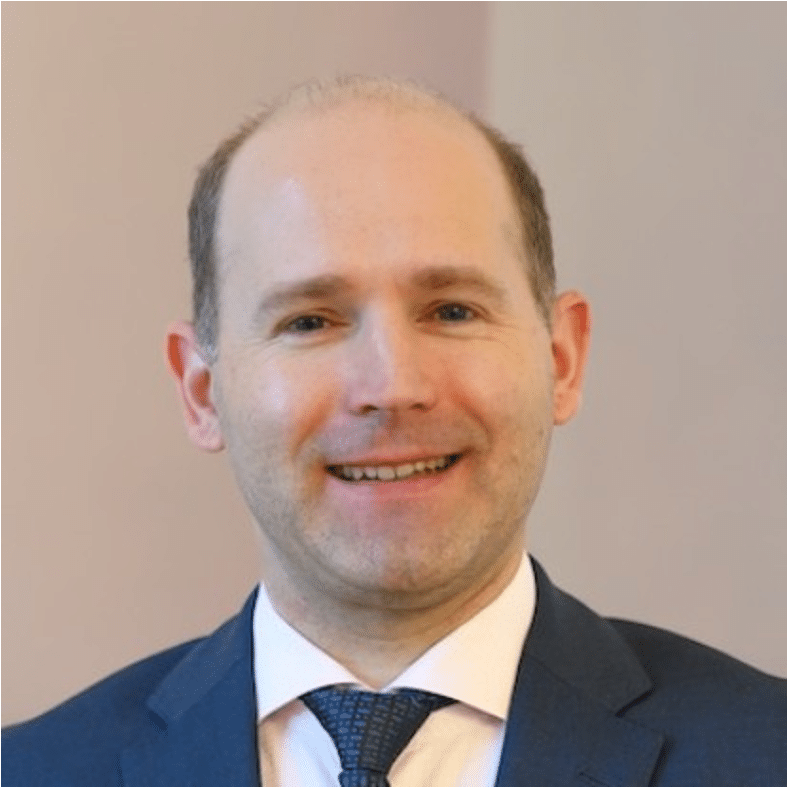
Danh Le Phuoc, PhD is a pioneer in the area of semantic stream processing and reasoning for autonomous vehicles and Edge AI. His work and his systems have been used in various EU, Irish and German projects, e.g COSMO, SMARTER, SmartEdge, AIoTwin and SMARTY. Among them, he is the technical lead of SmartEdge. Danh is also representing TU Berlin as an associated partner in two ongoing SDV projects, FEDERATE and HAL4SDV. He is a research group leader at TU Berlin and Fraunhofer FOKUS where he is leading the research lab, ‘Pervasive Intelligence and Computing’, PICOM (https://picom.ai/). The research interests of PICOM Lab are around the intersection of knowledge graph, neural-symbolic AI and swarm computing with the applications for autonomous vehicles, robotics and industrial IoT.
Bio

Bio

Bio

Bio

Bio
Wei Wei received the M.Sc. degree in Computer Science – Data Science and Artificial Intelligence in 2022. He is currently pursuing a Ph.D. at the University of Antwerp, Faculty of Computer Science, Antwerp, Belgium as a member of the IDLab research group, embedded in imec. His research interests include graph neural networks, continual learning, and dataset distillation.
Bio
Dr. Georgios Alexandridis is an Assistant Professor at the Department of Digital Industry Technologies (DIND) of NKUA, specializing in Machine Learning. His teaching activities include undergraduate and postgraduate courses in subjects related to Machine Learning, Artificial Intelligence and Deep Learning. His research interests are in the area of data science, artificial intelligence, deep machine learning and big data analysis.

Bio

Bio
Bio

Bio
Bio
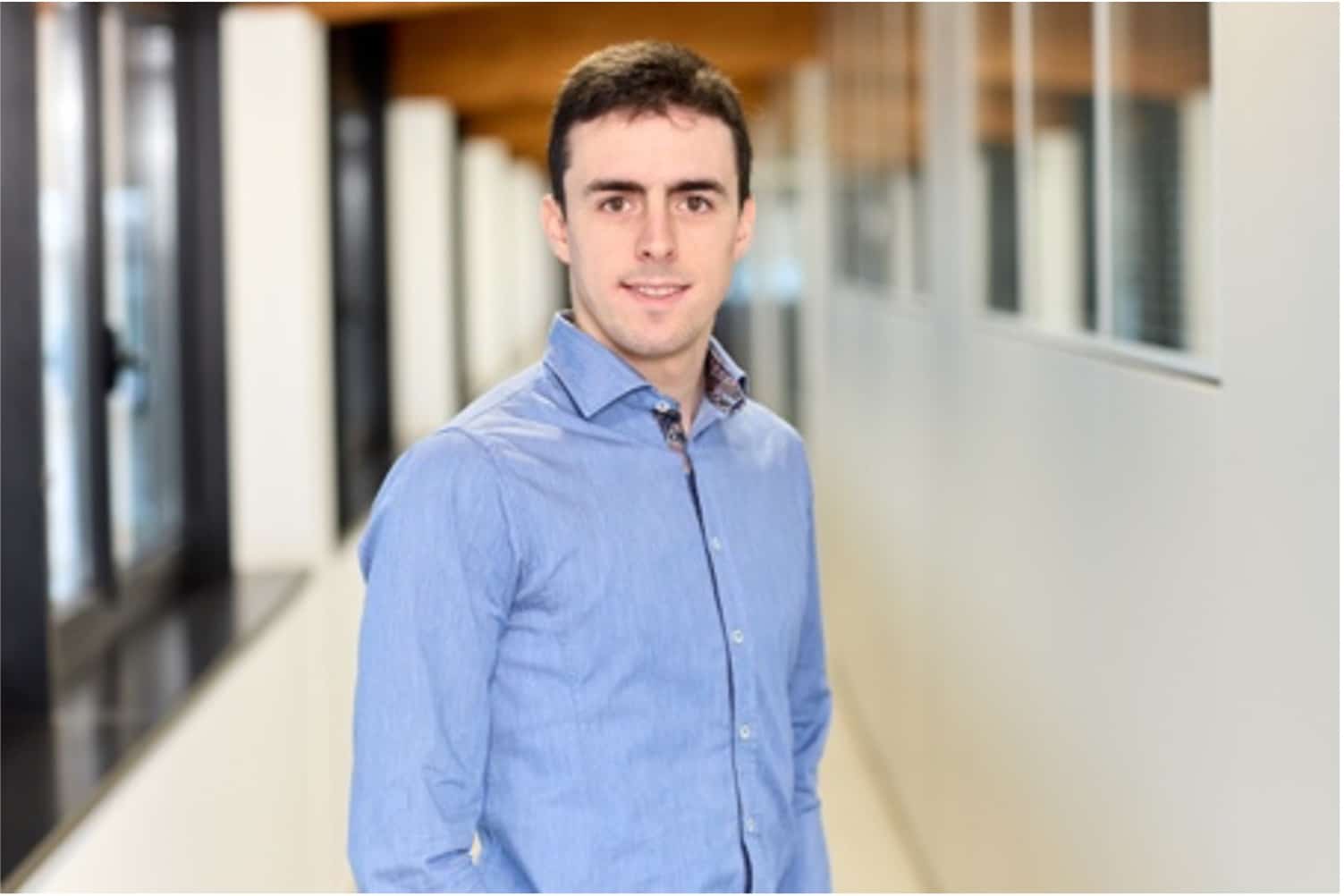
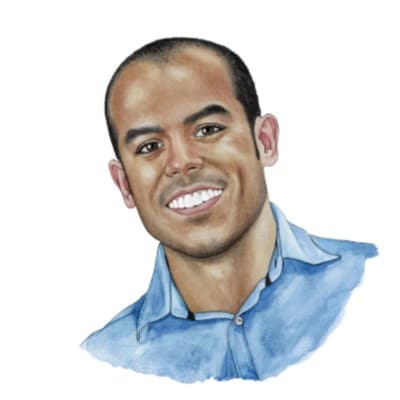
Xabier Barguilla is a Researcher with the Cybersecurity and DLT team in Tecnalia. He received his Master’s degree in Cybersecurity Research from University of León, Spain, in 2023. Currently he is studying his PhD in the Mobile Network Information and Communication Technologies program at the UPV. He has worked in projects involving Decentralized Ledger Technologies and protection of data through cryptography mechanisms.
Bio

Bio
Samira Briongos is a Senior Researcher in the Security Group at NEC Laboratories Europe. She holds an MSc in Telecommunications Engineering and a PhD from the Technical University of Madrid (UPM), where her research focused on microarchitectural attacks and countermeasures. Her current work explores trusted execution environments and secure system architectures to enhance platform security across cloud and edge computing. At NEC, she contributes to projects advancing secure, privacy-aware, and resilient distributed systems.
Bio
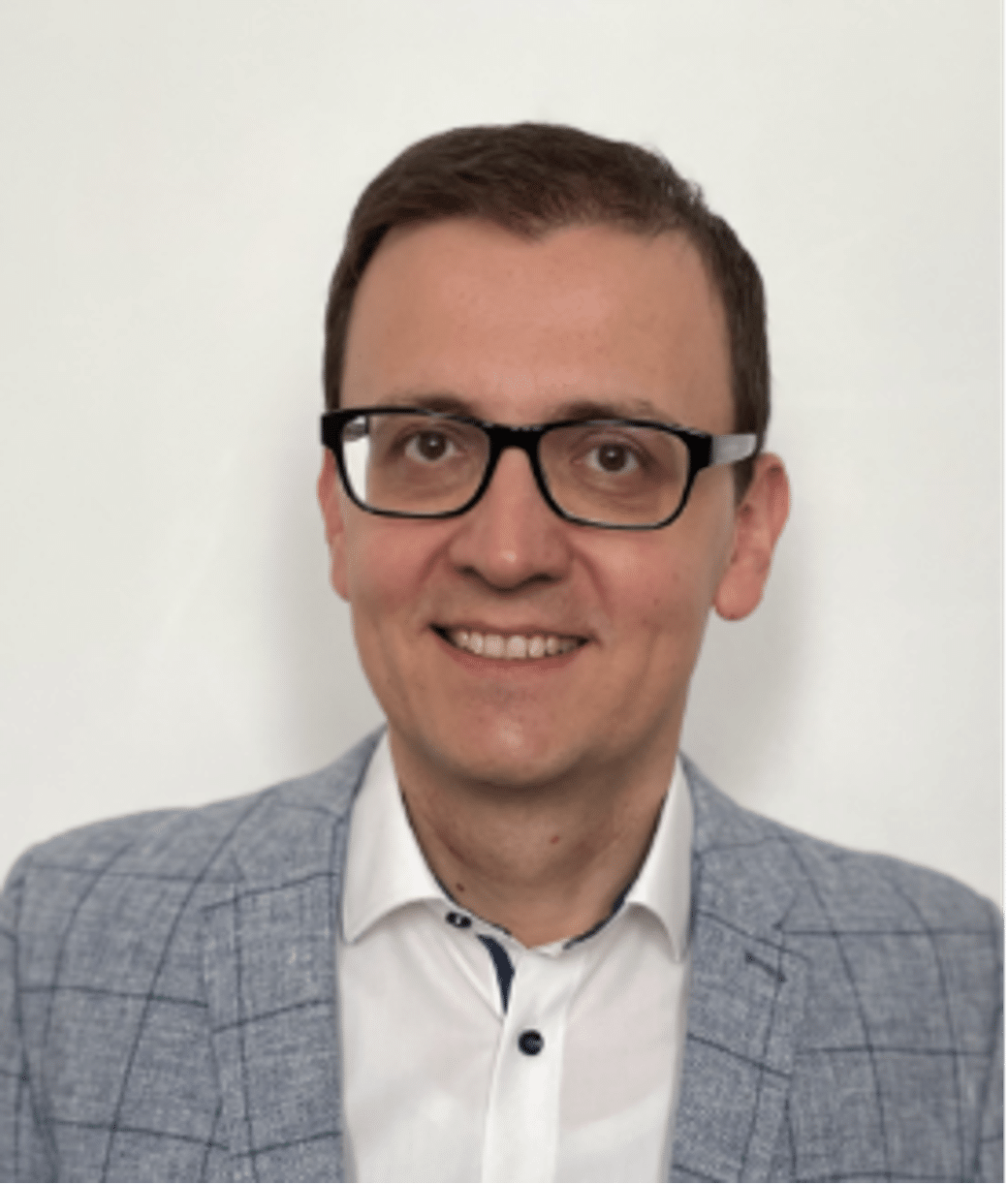
Dr. Darko Anicic is a Senior Key Expert at Siemens Technology’s research group in Munich, Germany, where he serves as the technical lead for the EU-funded SmartEdge and NEPHELE projects. His research focuses on Semantic Technologies and neuro-symbolic AI for Industrial IoT. He specializes in IT/OT integration using standardized information models, the development of Edge AI for resource-constrained automation devices, low-code engineering enhanced by Large Language Models, and the Industrial Metaverse.
Dr. Anicic earned his Ph.D. from the Karlsruhe Institute of Technology (Germany). Prior to joining Siemens, he conducted research at the FZI Research Center for Information Technology in Karlsruhe and the Semantic Technology Institute in Innsbruck, Austria. He has authored over 80 international publications and holds 12 patents.

Bio
Danny Hughes is a Professor with the Department of Computer Science of KU Leuven (Belgium), where he is a member of the DistriNet research group and leads the Networked Embedded Software taskforce. Danny has a PhD from Lancaster University (UK) and has since worked as a Visiting Scholar with the University of California at Berkeley (USA), a Visiting Scholar with the University of Sao Paulo (Brazil) and as a Lecturer with Xi’an Jiaotong-Liverpool University (China). His PhD focused on Peer-to-Peer (P2P) systems and his current research is on distributed software systems and the Internet of Things (IoT).